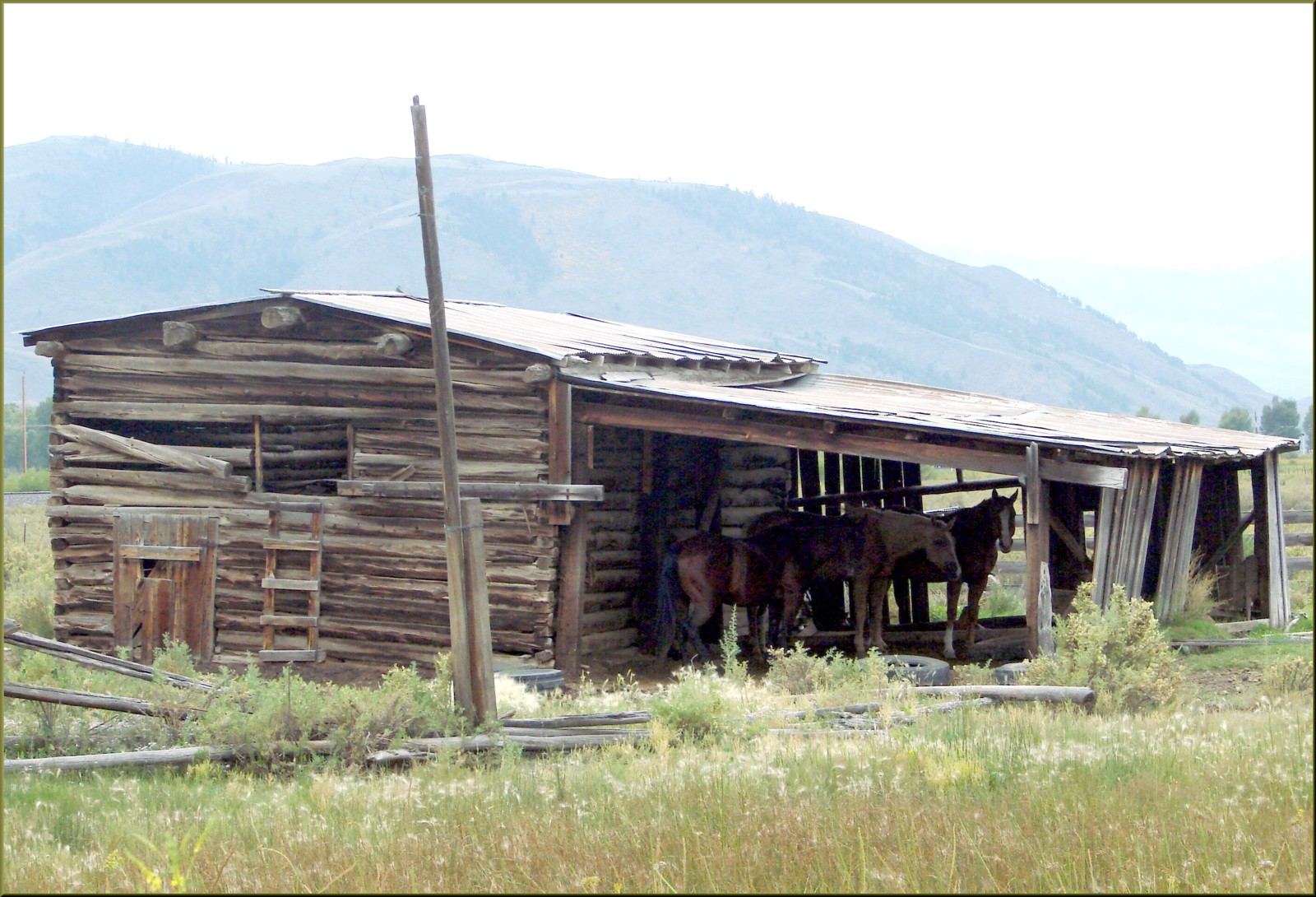
Safe horse fence for Colorado ground
No-climb mesh, wood post-and-rail, and welded pipe, installed by independent Colorado fence contractors. Tell us about your fence line and we'll introduce you to up to 3 who work in your area.
Start my request Estimate a budgetWhy horse owners use us
- We only handle horse and livestock fencing, not backyard privacy fence.
- Five Colorado regions, from the Western Slope to Elbert County
- Your request goes to 3 contractors at most
- Cited cost ranges, plus honest notes on rock, wind, and hail
Referral service, not an installer. Colorado Horse Fence doesn't build fence or guarantee work. Colorado has no statewide fence contractor license, so ask each contractor for proof of insurance and check with your county or town about any local registration.
From request to fence line
- Describe the job: what you're enclosing, the style, the length, and your ZIP.
- We introduce you to up to three Colorado contractors who build horse fence in your region.
- Walk the line with them, compare written bids, and choose. There's no pressure from us.
Budgeting a Colorado horse fence
Square acreage converts to fence length quickly: 5 square acres is about 1,870 ft of perimeter before cross-fencing. The style you pick then multiplies that number.
Colorado jobs often add costs that national guides skip, like decomposed granite and cobble that bend T-posts, bracing for chinook winds, and long drives to rural parcels.
Fence styles Colorado contractors install
Wood post and rail
The classic Colorado ranch look. Horses can see it easily, but they chew it and it needs upkeep. Many owners add a hot wire along the top rail.
No-climb mesh
Openings of 2×4 inches keep hooves from going through. It's the most affordable safe perimeter, and a wood or pipe top rail adds visibility.
Pipe and continuous panel
Welded steel for pens, alleys, and arenas. It costs the most per foot but needs the least maintenance.
Colorado regions
Colorado-specific homework
- Call 811 / Colorado 811 at least three business days before posts go in. Rural parcels often have buried gas, fiber, and irrigation lines.
- Know the fence-out rule. Colorado law generally puts the burden on landowners to fence livestock out, and state statute defines what counts as a "lawful fence." Talk with neighbors before rebuilding a shared line.
- Check HOA and county rules. Many Douglas, Elbert, and Boulder County subdivisions have covenants that limit fence materials and colors.
- Wildlife. Parks and Wildlife guidance favors wildlife-friendly designs on open range, such as a smooth bottom wire and a visible top rail.
- Get specs in writing: post type and spacing, depth, brace design, and gate hardware.